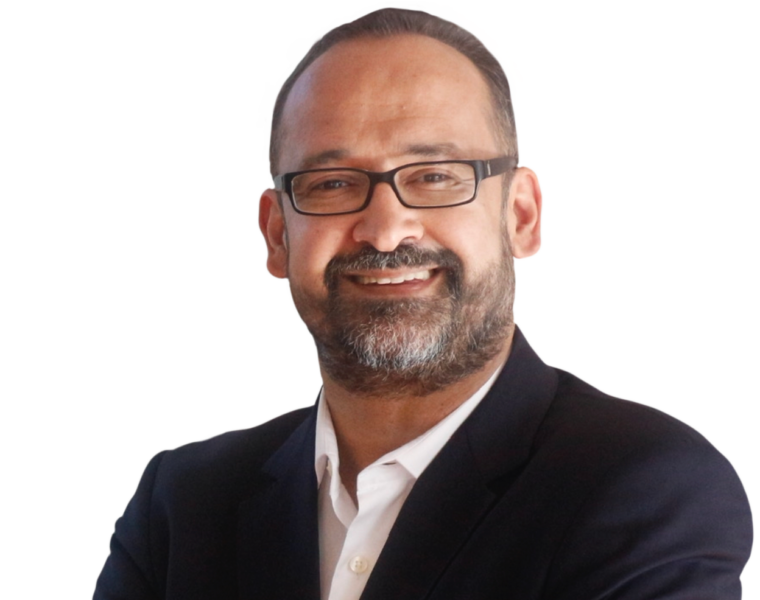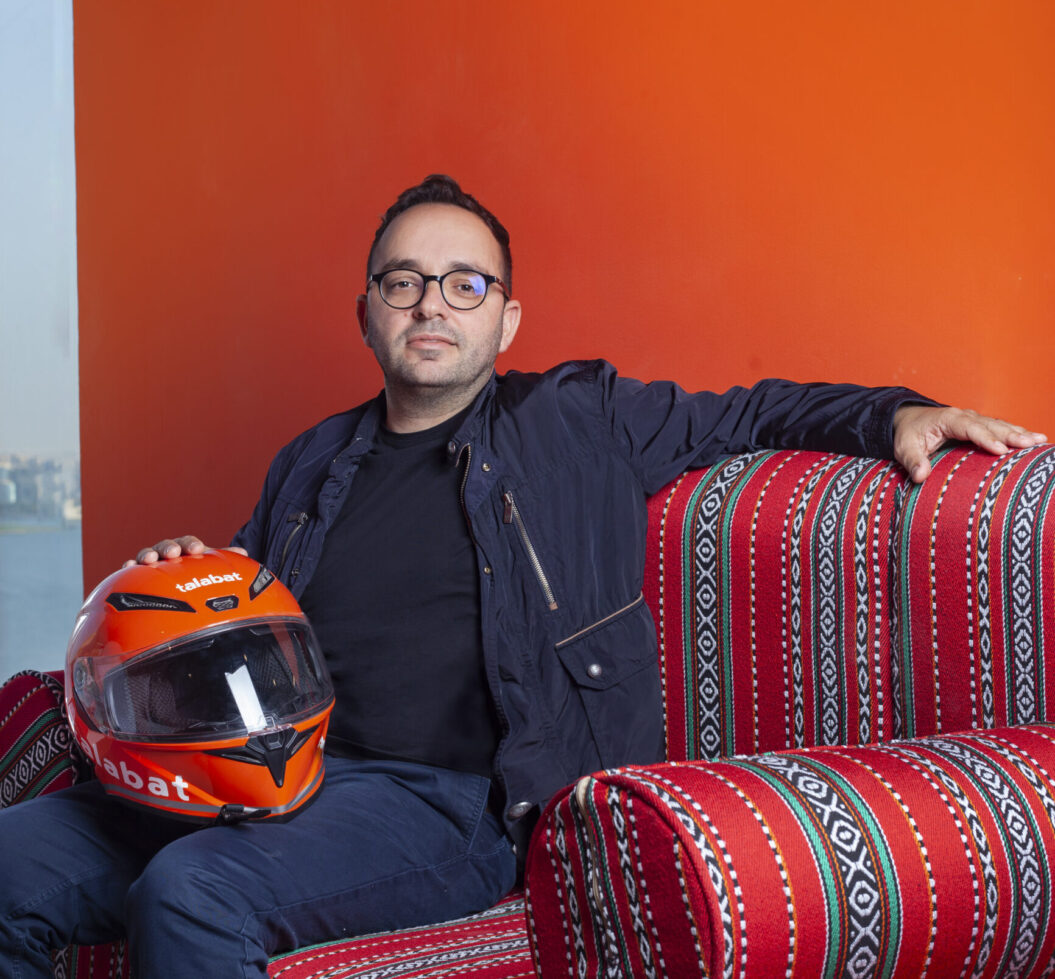
Within the framework of the partnership between the Conselho da Diáspora Portuguesa and Jornal de Negócios, Francisco Miguel Sousa, General Manager of talabat Qatar (Delivery Hero Group) and Diaspora Councillor in Qatar, shares a professional journey shaped by the ambition to grow in competitive and multicultural markets, which began with his decision to leave Portugal to accelerate his career development. In the interview, he highlights the importance of internationalization, adaptability, and empathetic leadership in diverse teams, emphasizing that the Portuguese have a strong ability to build bridges and generate trust, although they should assert their value with greater confidence. He admires in Qatar the strategic clarity of the Qatar National Vision 2030, the speed of execution, and the effective coordination between the public and private sectors. He argues that Portugal should adopt a more ambitious and confident approach to internationalization, expand beyond traditional markets, and strengthen cooperation between government, businesses, and academia, fostering competitiveness, investment, and sustained international projection.
1 – What led you to leave Portugal?
Curiosity and the desire to grow in different, more competitive and multicultural environments where I could accelerate my professional development. Leaving Portugal was a way to broaden my horizons and test my impact in different markets. I have always believed that growth happens when we place ourselves in unfamiliar territory.
2 – What advantages or disadvantages has being Portuguese brought you?
The advantage of being Portuguese is deeply connected to our cultural and historical heritage, marked by curiosity, adaptability, and a spirit of tolerance.
We grow up used to thinking big, even though we are a small country, and that shapes our global mindset. Portuguese professionals have a natural ability to negotiate, create empathy, and build bridges anywhere in the world. Our discreet, hardworking, and respectful way of being generates trust and opens doors in very different cultural contexts.
On the other hand, that same humility, which is a virtue, can also be a disadvantage when it translates into a lack of confidence in communicating our value.
We often have the talent, experience, and results, but we do not assert them with the conviction they deserve.
Portugal has everything it needs to position itself more strongly on the global stage. We simply need to believe in ourselves more and communicate our identity with greater pride and ambition.
3 – What obstacles did you have to overcome and how did you do it?
Leading multicultural teams in high-pressure environments required quickly learning how to balance different communication styles, values, and ways of working. Each culture has its own pace, decision-making process, and reaction to mistakes. Understanding this was essential to building trust and aligning objectives. I learned that leadership is, above all, empathy and adaptability. I overcame challenges by showing genuine attention to people, focusing on a shared purpose, and maintaining a mindset of continuous learning that allows me to grow with every experience and team.
4 – What do you most admire about the country where you are?
I admire many aspects of Qatar. The country has a clear vision: the Qatar National Vision 2030. All ministries, public institutions, and private companies understand exactly how they contribute to this objective. Qatar deeply values its heritage, culture, and traditions, while simultaneously investing in digital innovation and economic diversification. Everything is driven by an ambition to grow quickly, with focus, discipline, and a long-term vision that attracts global talent.
5 – What do you most admire about the company/organization where you work?
Talabat is the leading e-commerce company in the Middle East and Africa region. We operate dark stores and cloud kitchens and deliver, on average, within 30 minutes — similar to Glovo, but in Qatar. I have witnessed the entire growth journey of talabat, from when we were a team of five people to the IPO in Dubai, where the company was listed with an estimated market capitalization of around USD 10 billion. It is a company that learns quickly, adapts even faster, and never loses the human side in decision-making. This combination of agility and empathy truly differentiates the way we lead and serve.
6 – What recommendations would you give to Portugal and to Portuguese entrepreneurs and managers?
Portugal should invest more strongly in internationalization beyond the CPLP and do so with speed, scale, and confidence. Today’s world is a global and highly competitive marketplace, and Portuguese companies have the talent, technology, and execution capacity to succeed far beyond traditional markets.
We need to think bigger, invest in international presence, and communicate our value more assertively. Portugal has energy, creativity, and vision, but sometimes lacks the ambition to believe we can compete on equal terms with any country, provided we align purpose, capital, and confidence. Internationalization should not be seen as a risk, but as a natural opportunity to grow and project the country globally.
7 – In which sectors in Qatar could Portuguese companies find clients?
In Qatar, there are concrete opportunities in food technology, particularly in innovation, sustainability, and food security — areas where Portugal has competitive knowledge and solutions. Sustainable construction remains a priority sector, especially with major urban and infrastructure projects linked to the Qatar National Vision 2030.
Hospitality and luxury tourism are expanding rapidly, with demand for design, architecture, and management with a European identity. In education and digital services, there is room for academic and technological partnerships, in a country strongly focused on economic diversification and the development of global talent. These are areas where Portuguese quality, reliability, and creativity are highly valued and recognized.
8 – In which sectors in Portugal could companies from Qatar be interested in investing?
Investment opportunities from Qatar in Portugal are particularly relevant in the desalination industry, where there is a search for technology and expertise to optimize water usage and ensure water security — also a strategic priority in Portugal, with large-scale projects underway.
Portuguese tourism continues to be globally recognized for the quality of its hospitality, sustainability, and authenticity of experiences, attracting investors interested in diversifying portfolios and creating links with Gulf tourism.
In agribusiness, Portugal offers fertile ground for cooperation in innovation, sustainability, and premium food production — sectors where Portuguese know-how is recognized and where Qatari investment can generate mutual value and long-term impact.
9 – What competitive advantage of Qatar could be replicated in Portugal?
Qatar stands out for its agility in decision-making and the way the public and private sectors act in an integrated manner. There is clarity of objectives and institutional coordination that allows strategic decisions to be quickly transformed into action.
Large-scale projects — in infrastructure, technology, or education — move forward with remarkable speed and alignment, the result of a shared vision and a strong execution culture. Portugal could benefit from adopting this structured collaboration model, promoting closer links between government, businesses, and academia, and reducing the bureaucracy that so often slows progress.
We still need to think of Portugal and Portuguese identity as a collective project for the future, built on shared purpose, pride, and pragmatism. The combination of Qatar’s strategic vision with Portuguese creativity and resilience would undoubtedly be a powerful formula to accelerate national development.
10 – Do you plan to return to Portugal? Why?
Yes, one day. Portugal and the Algarve will always be my home — the point of departure and return. Almost all my personal investments are in Portugal, and I maintain a constant connection through projects and involvement with the Portuguese diaspora.
For now, my focus is on bringing the two worlds closer — Portugal and the Gulf — promoting collaboration, investment, and knowledge sharing. I believe there is enormous potential in linking Portuguese talent and innovation with the Gulf’s ambition and execution capacity.
Returning will be a matter of time, but also of purpose: to come back when I can give back to the country everything I have learned abroad.