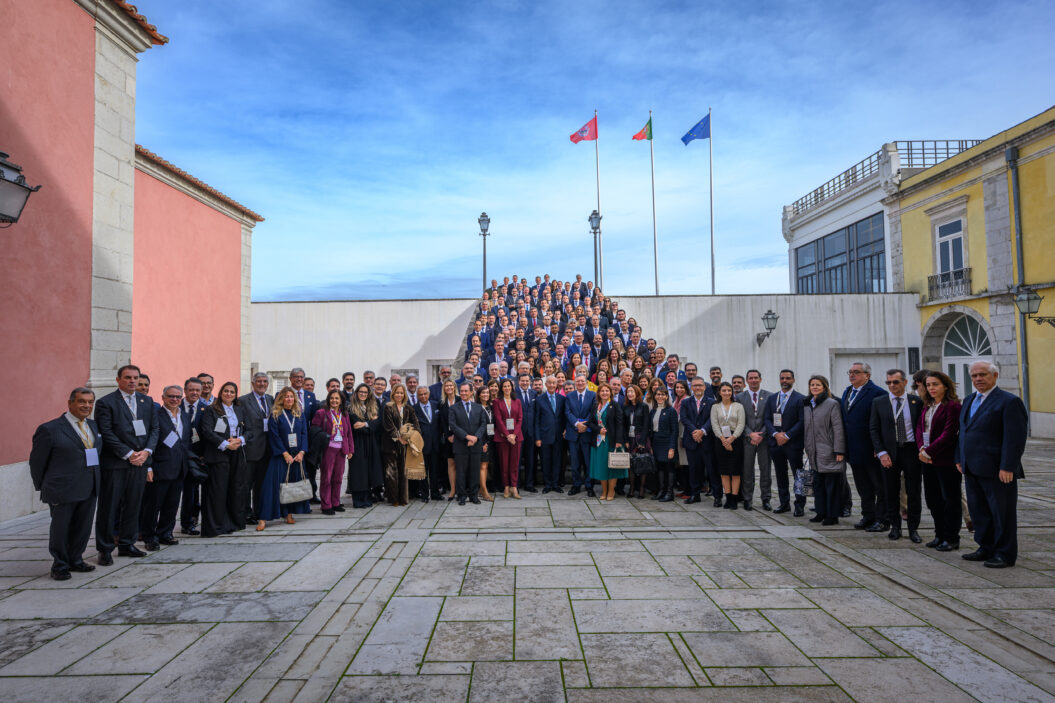
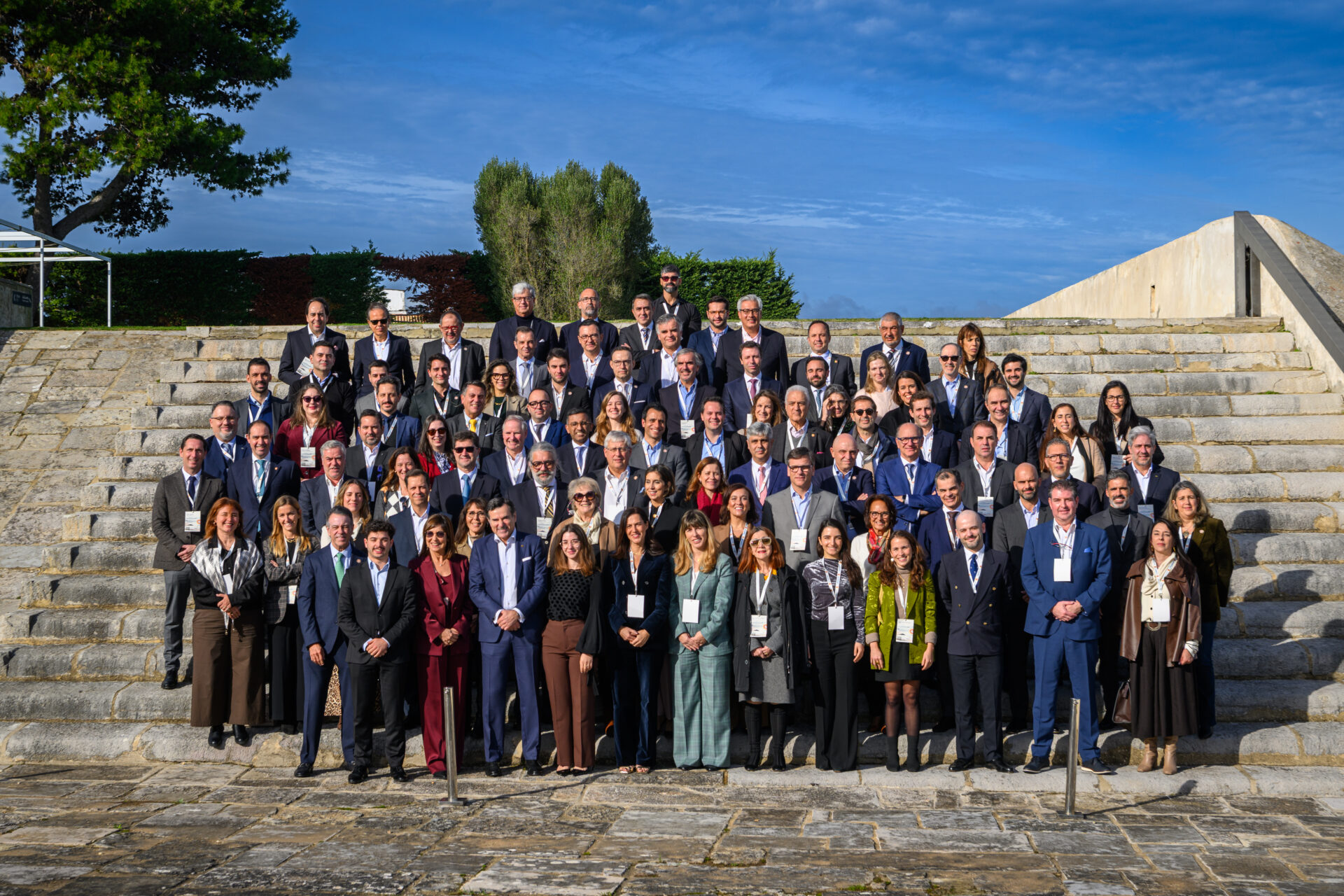
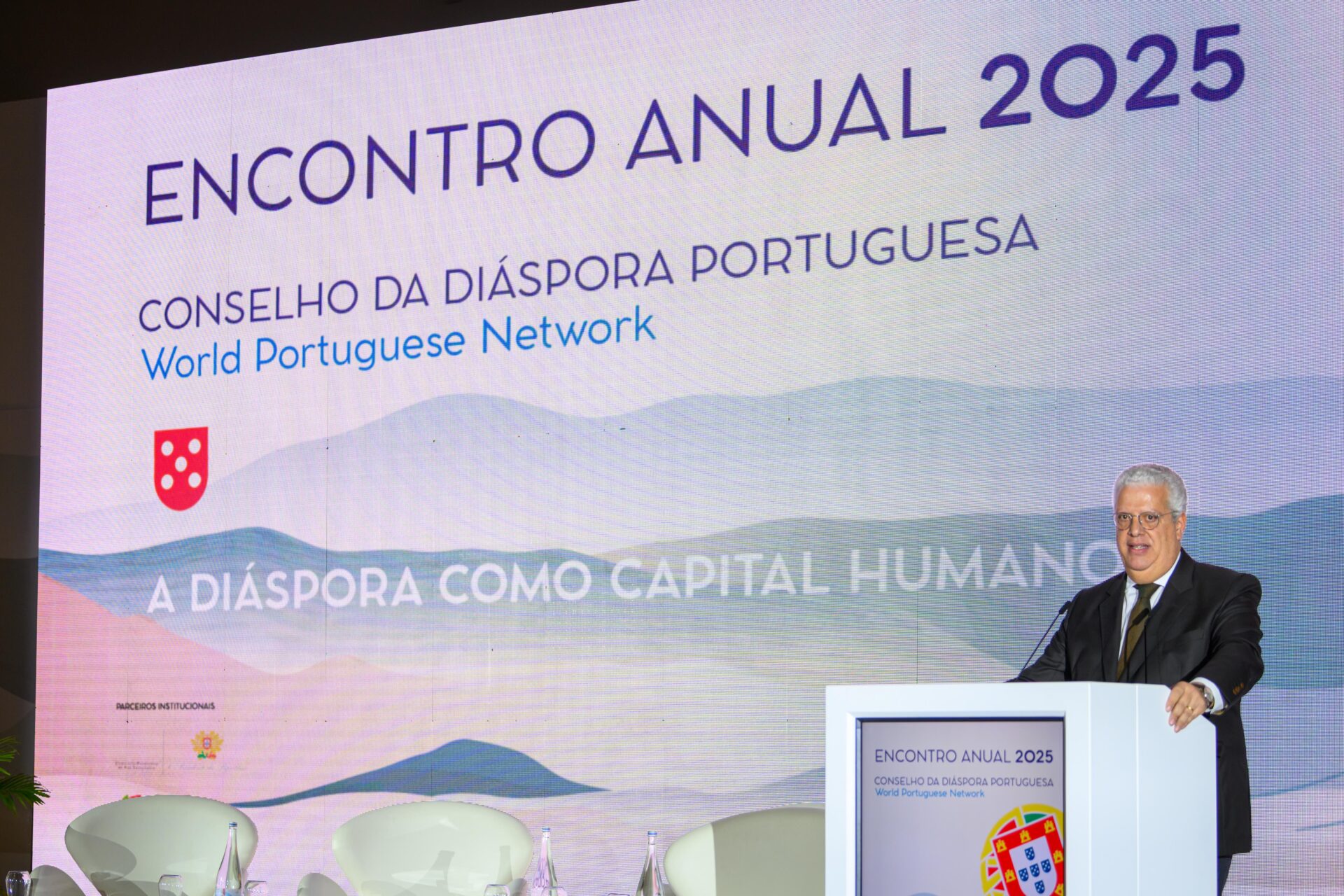
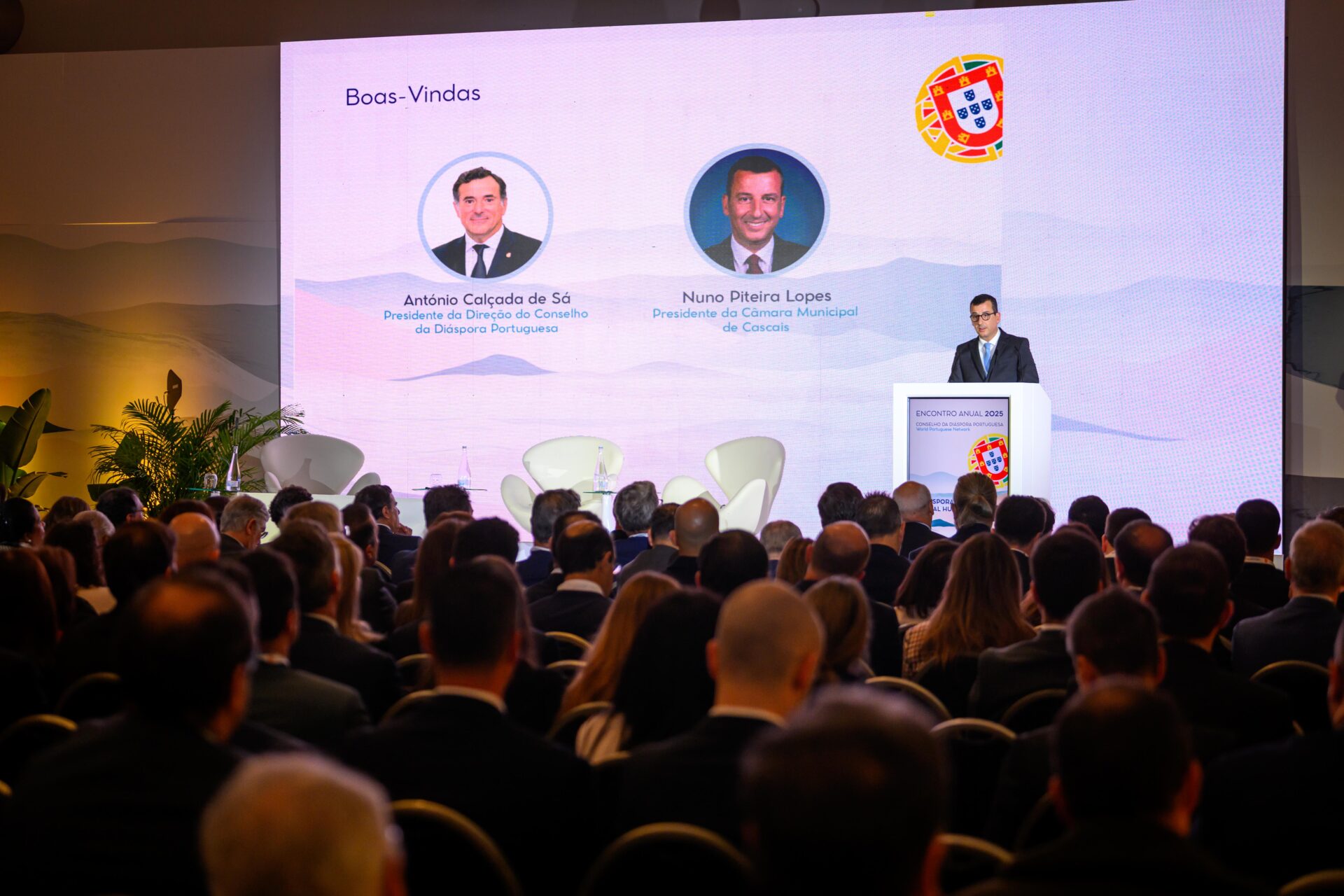
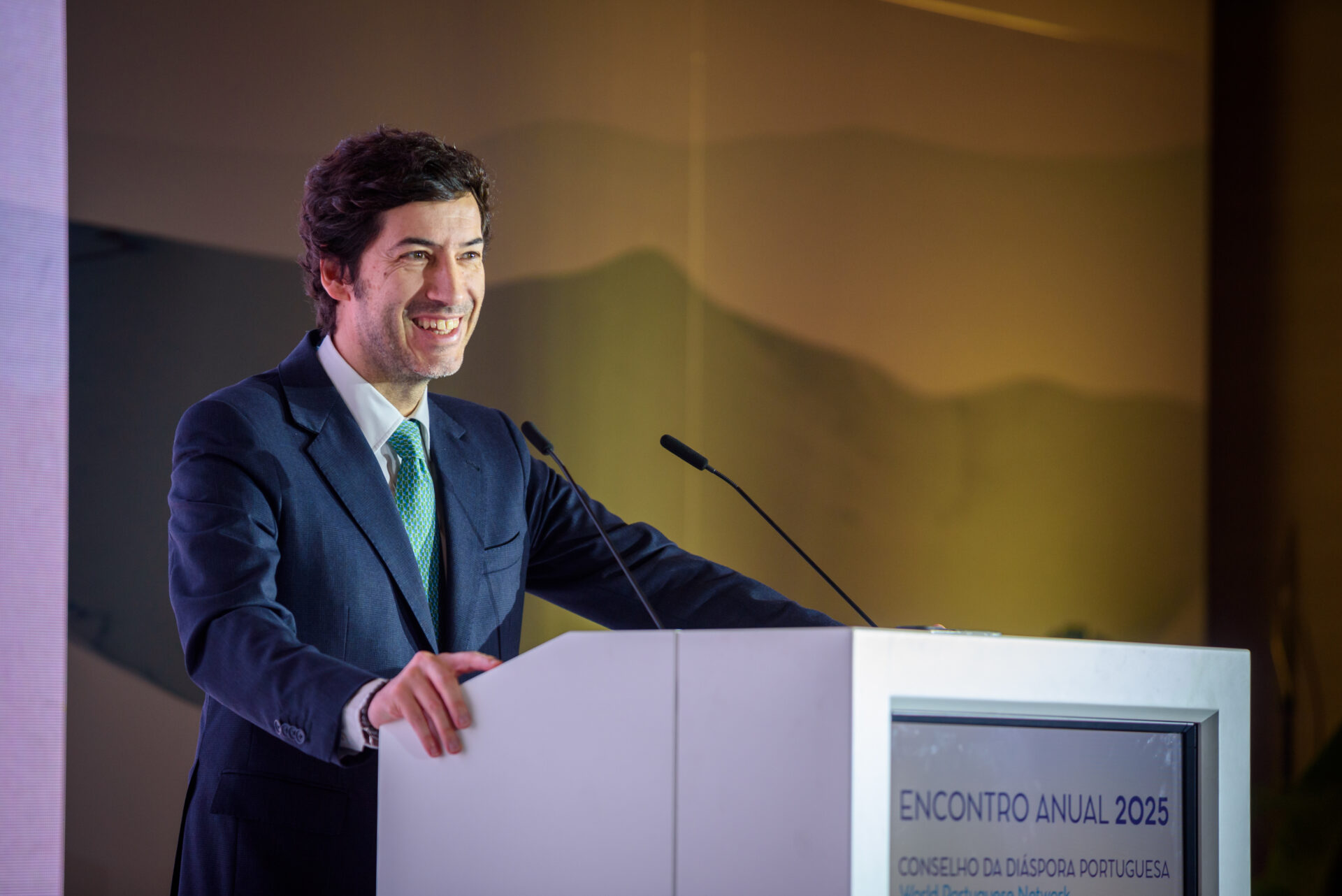
The Portuguese Diaspora Council (PDC), which brings together more than 350 Portuguese councillors present in 44 countries across five continents, held the 10th edition of its Annual Meeting in Cascais under the theme “The Diaspora as Human Capital”.
The first day took place on 17 December 2025, in the Cantanhede Room of the Pestana Cidadela Cascais Hotel, and was dedicated to the Council’s internal meeting, bringing together Councillors of Portugal Around the World, Young Councillors, and members of the Advisory Board.
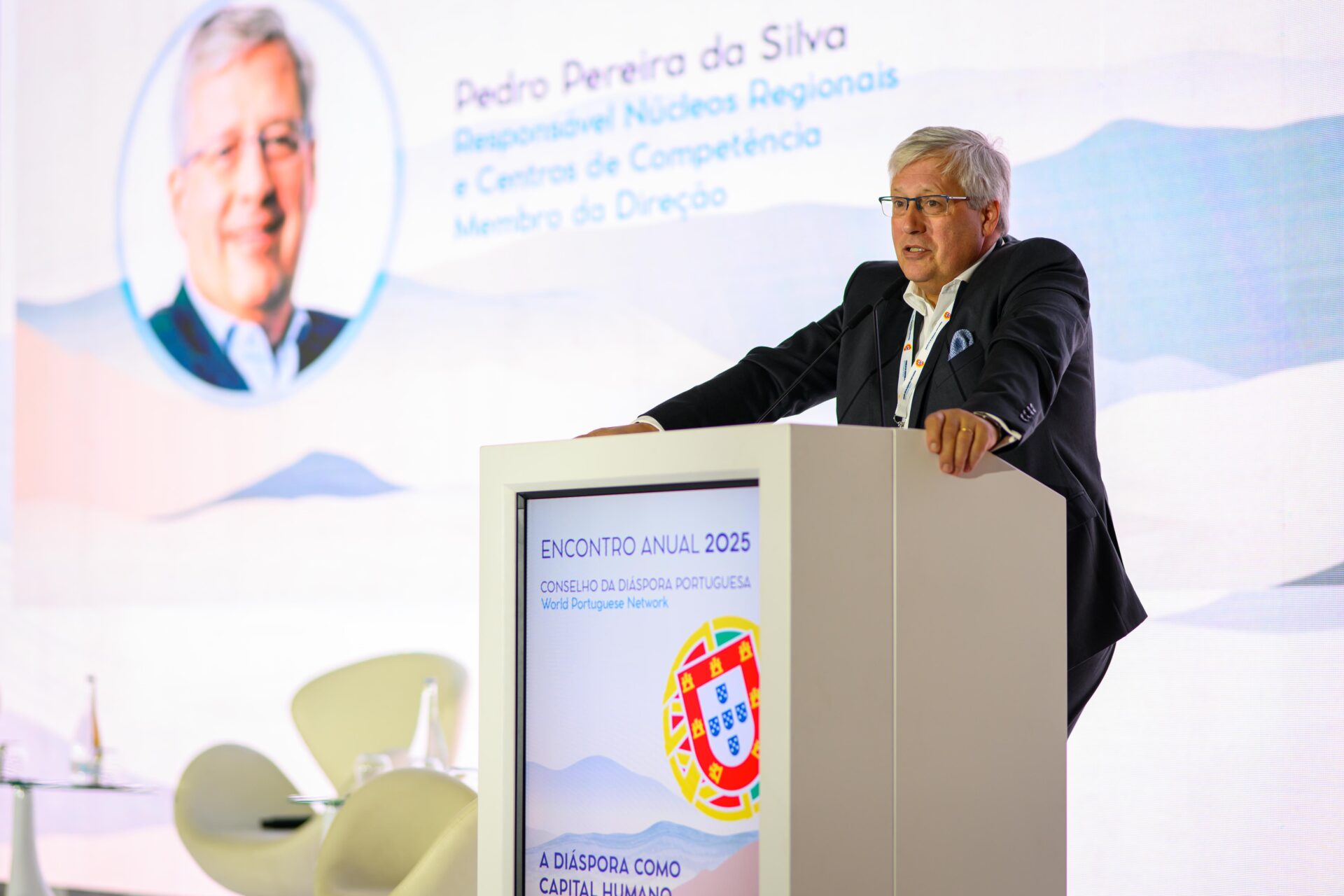
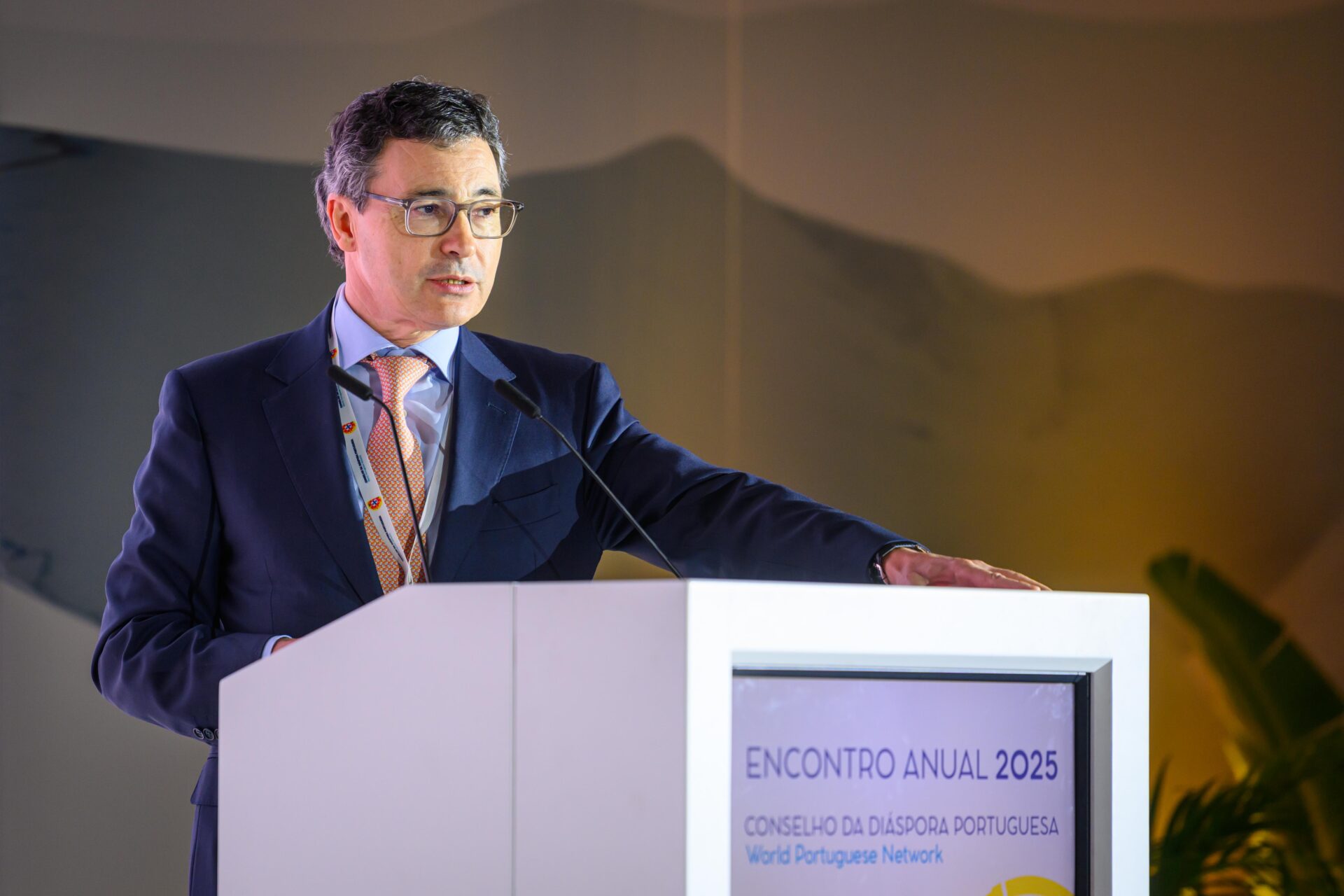
The session began with the presentation of the 2025 Activity Report and the 2026 Activity Plan, delivered by António Calçada de Sá, Chairman of the Board of the Portuguese Diaspora Council. Throughout the morning, the main projects developed by the Regional Chapters and Competence Centres were presented and discussed.
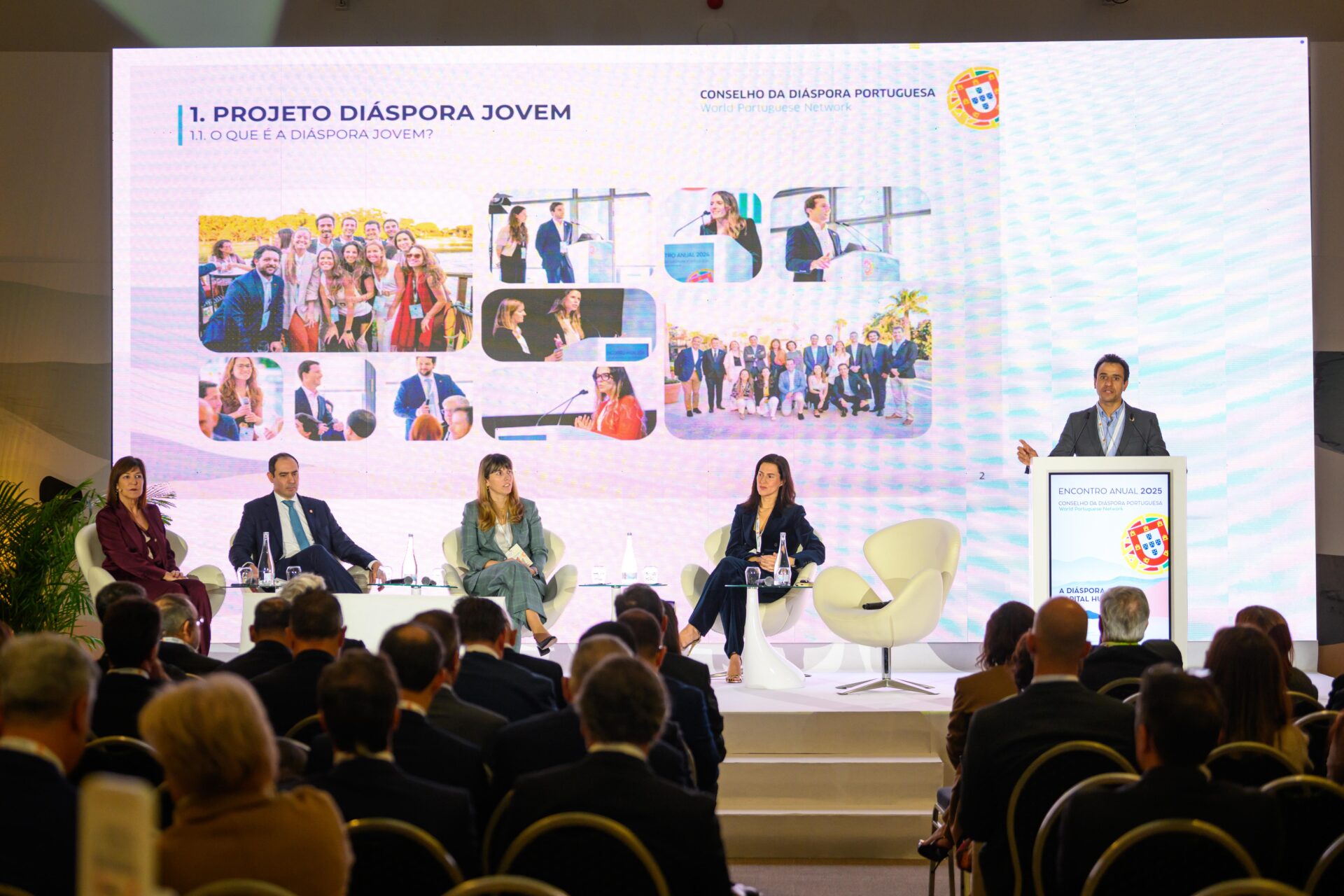
The morning continued with the session “Young Diaspora: 2025 Overview and 2026 Plan”, where the growth of the programme was highlighted. Two initiatives aimed at younger generations of the diaspora were also presented: the Mentorship Programme and the LusoLab Podcast.
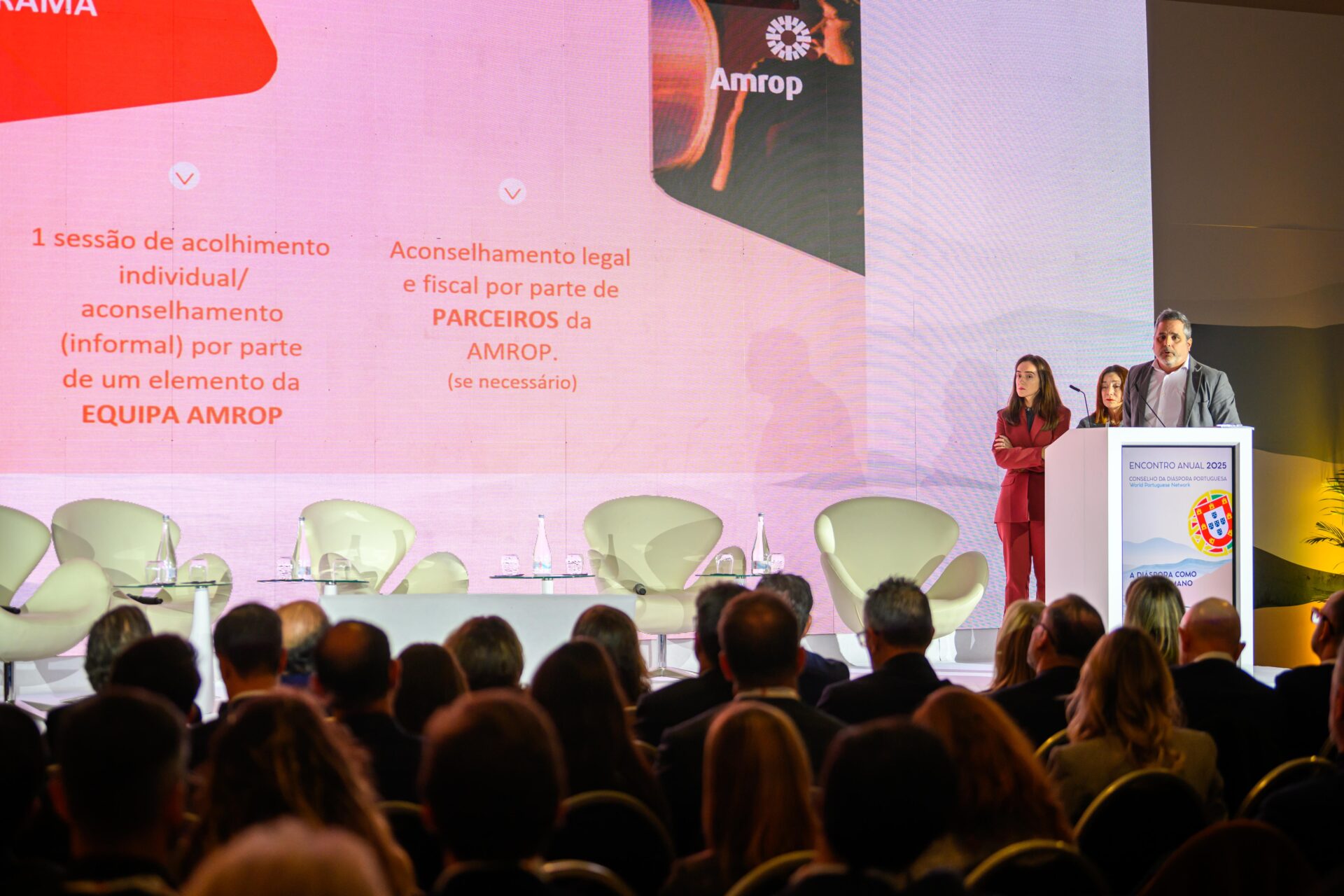
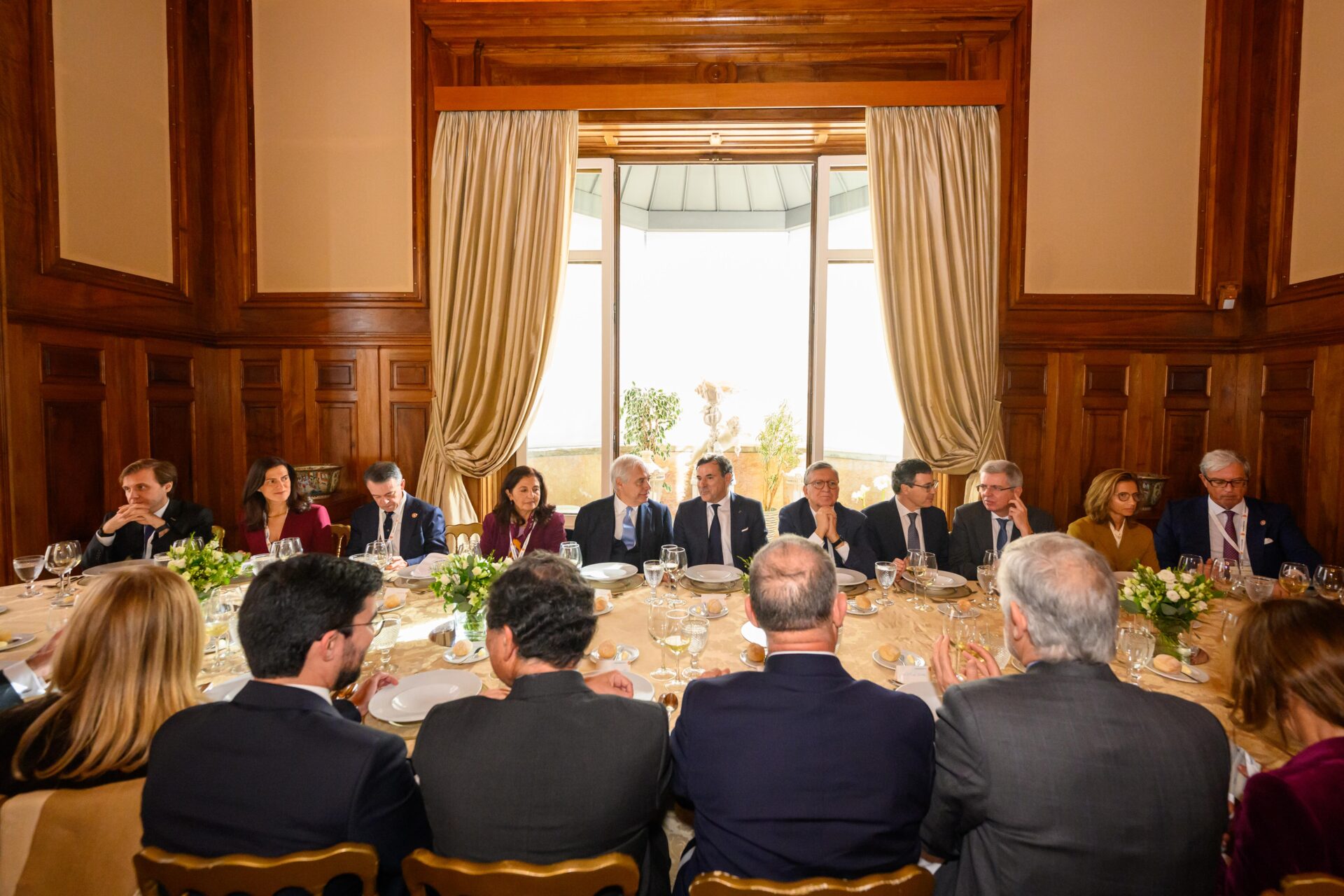
In the afternoon, following the institutional lunch at the Cascais Citadel Palace, the programme resumed with the presentation of the “Atrair e Voltar” initiative, promoted by AMROP and presented by Maria da Glória Ribeiro. The programme aims to support the return of Portuguese citizens living abroad and attract international talent to Portugal. This was followed by the presentation of the partnership between the Portuguese Diaspora Council, the António Pargana Foundation and the Universidade Católica Portuguesa, dedicated to strengthening ties with the Portuguese diaspora while creating value for the country. Later, in the session “Challenges and Opportunities”, organised in partnership with PwC, António Brochado Correia addressed the main global challenges and strategic opportunities for Portugal and its diaspora.
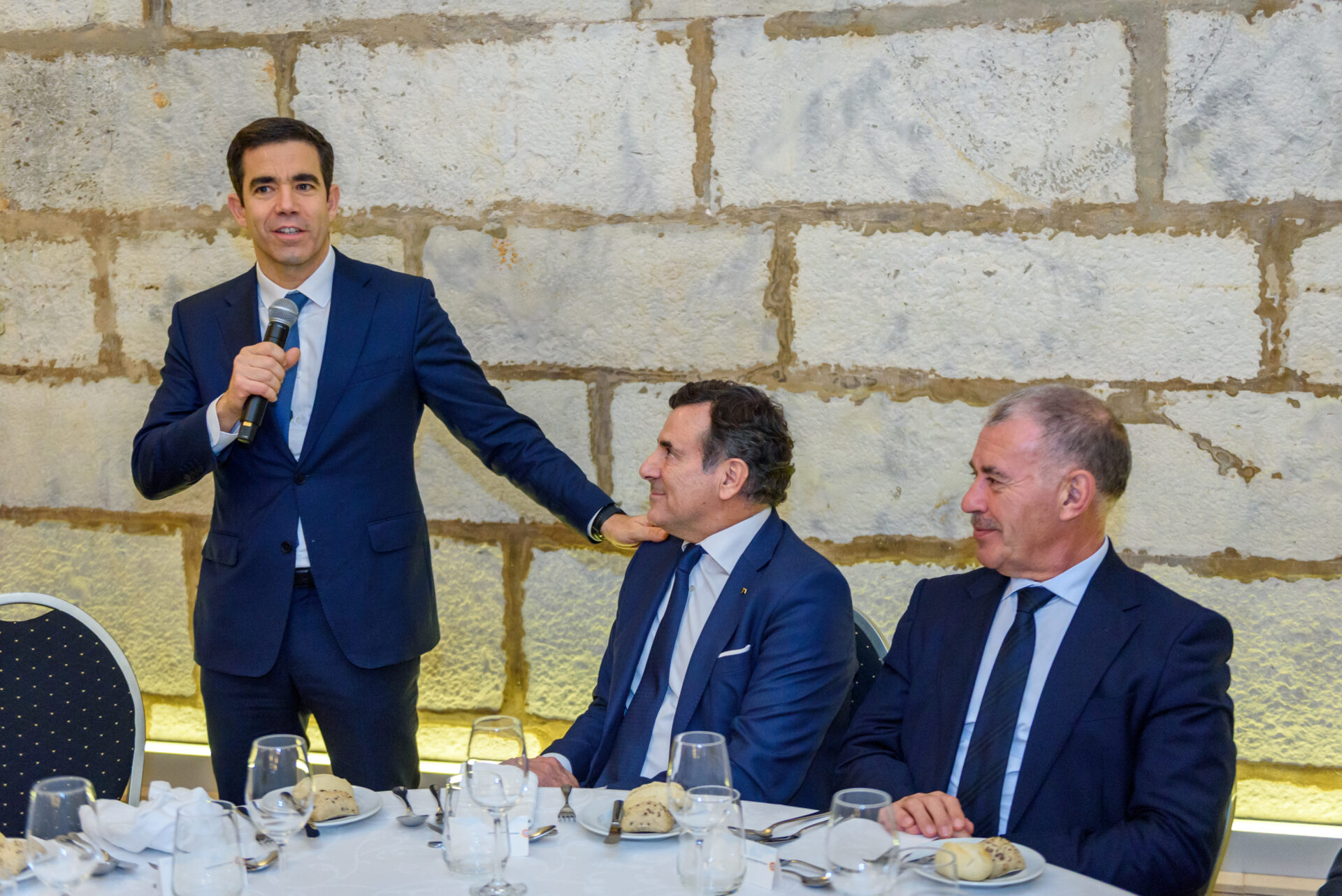
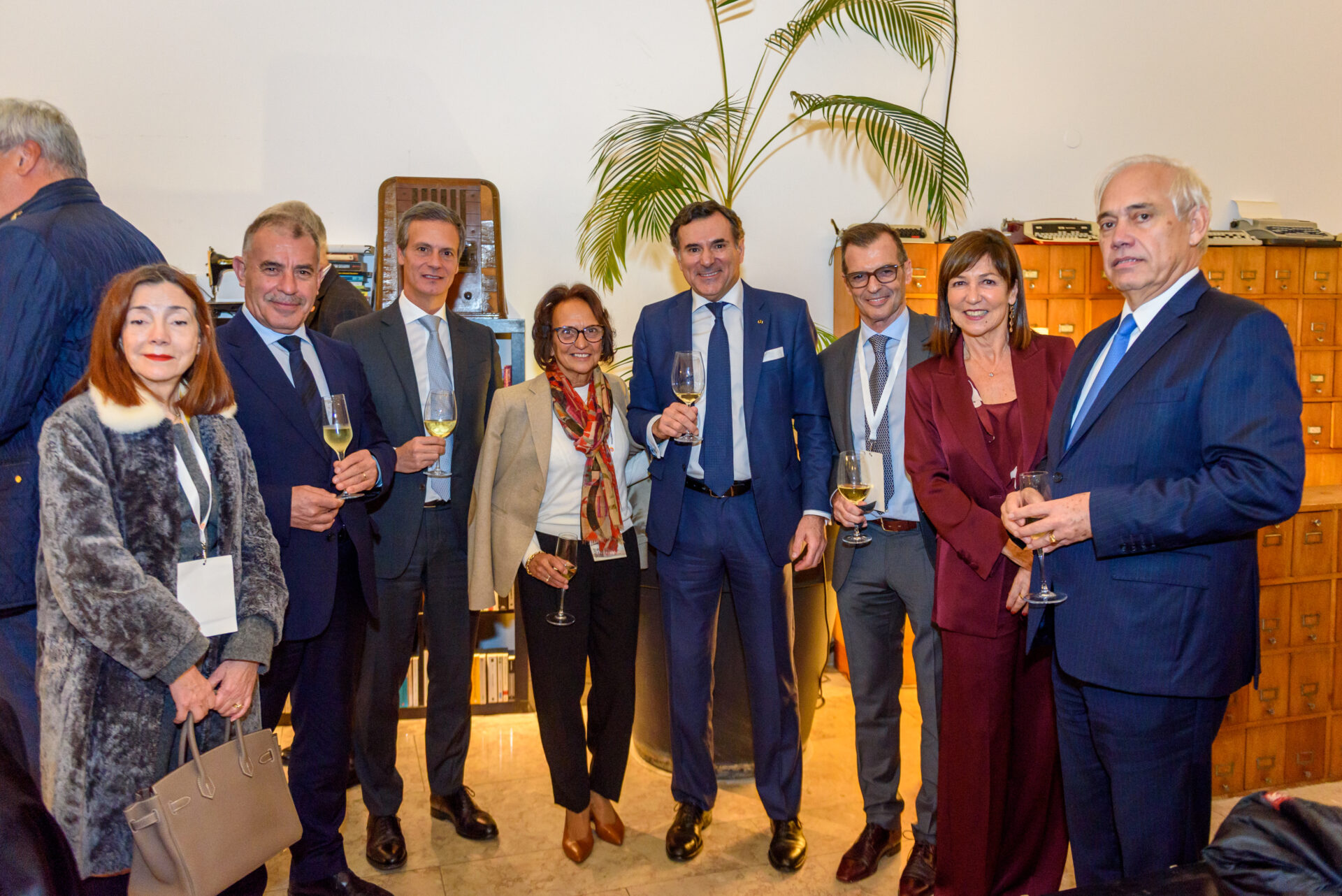
The day concluded with closing remarks by António Calçada de Sá, Chairman of the Board, followed by a cocktail reception and an institutional dinner at the Cisterna Restaurant, at the Pestana Cidadela Cascais, attended by the Minister of the Presidency, António Leitão Amaro.
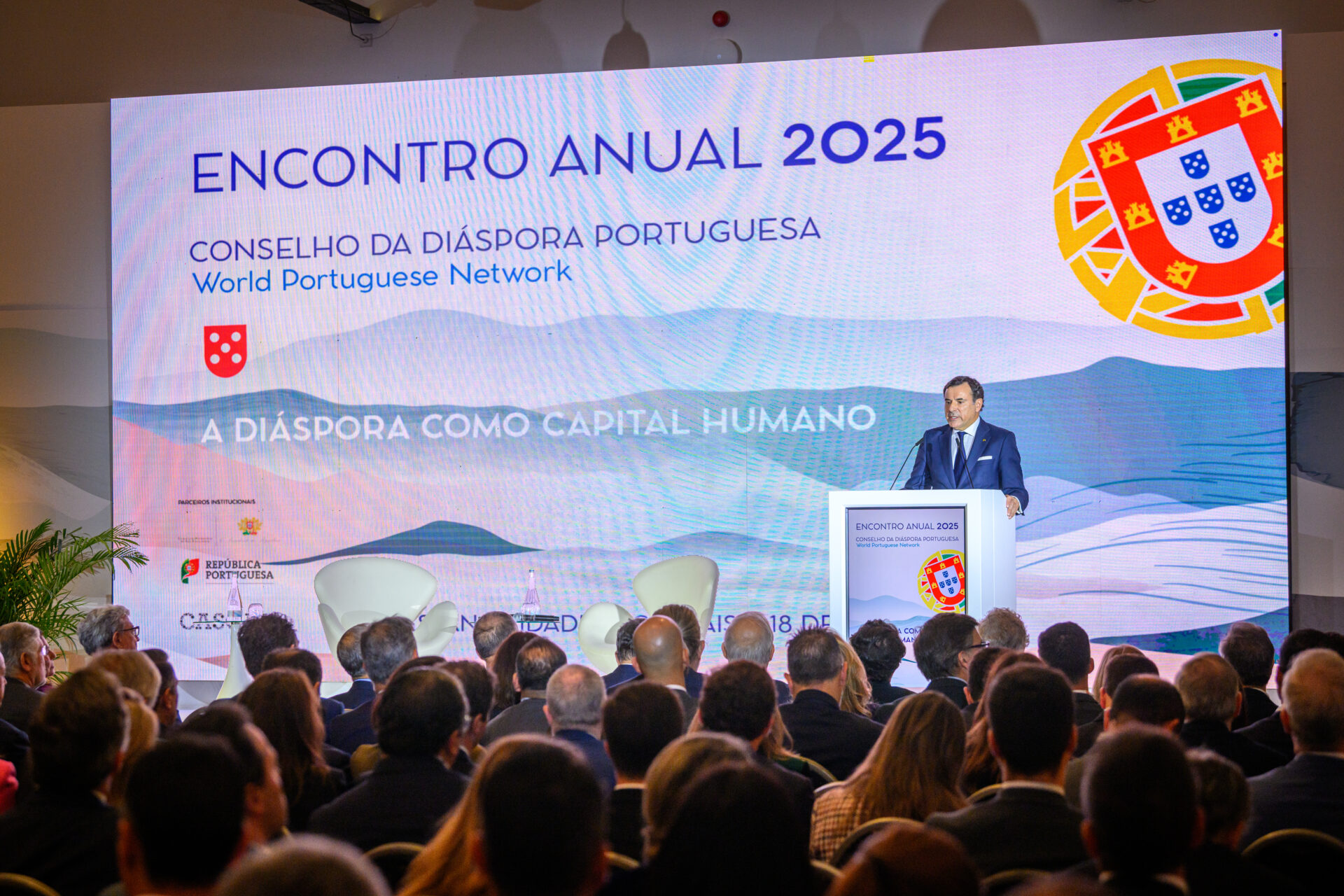
The second day of the meeting brought together around 200 guests, including institutional representatives, business leaders and members of the Portuguese Diaspora Council, to reflect on the role of the diaspora in strengthening Portugal’s presence in the world. Throughout the sessions, speakers highlighted how characteristics often associated with the Portuguese — such as empathy, adaptability and relational intelligence — combined with education, merit and resilience, help reinforce the country’s international reputation.
The opening was marked by a reflection on the diaspora as a strategic human capital for Portugal. In this context, António Calçada de Sá underlined the ambition of building an increasingly strong, relevant and transformative diaspora, also highlighting the work carried out through the Council’s 14 regional chapters and thanking the President of the Republic, Marcelo Rebelo de Sousa, for his support over the years.
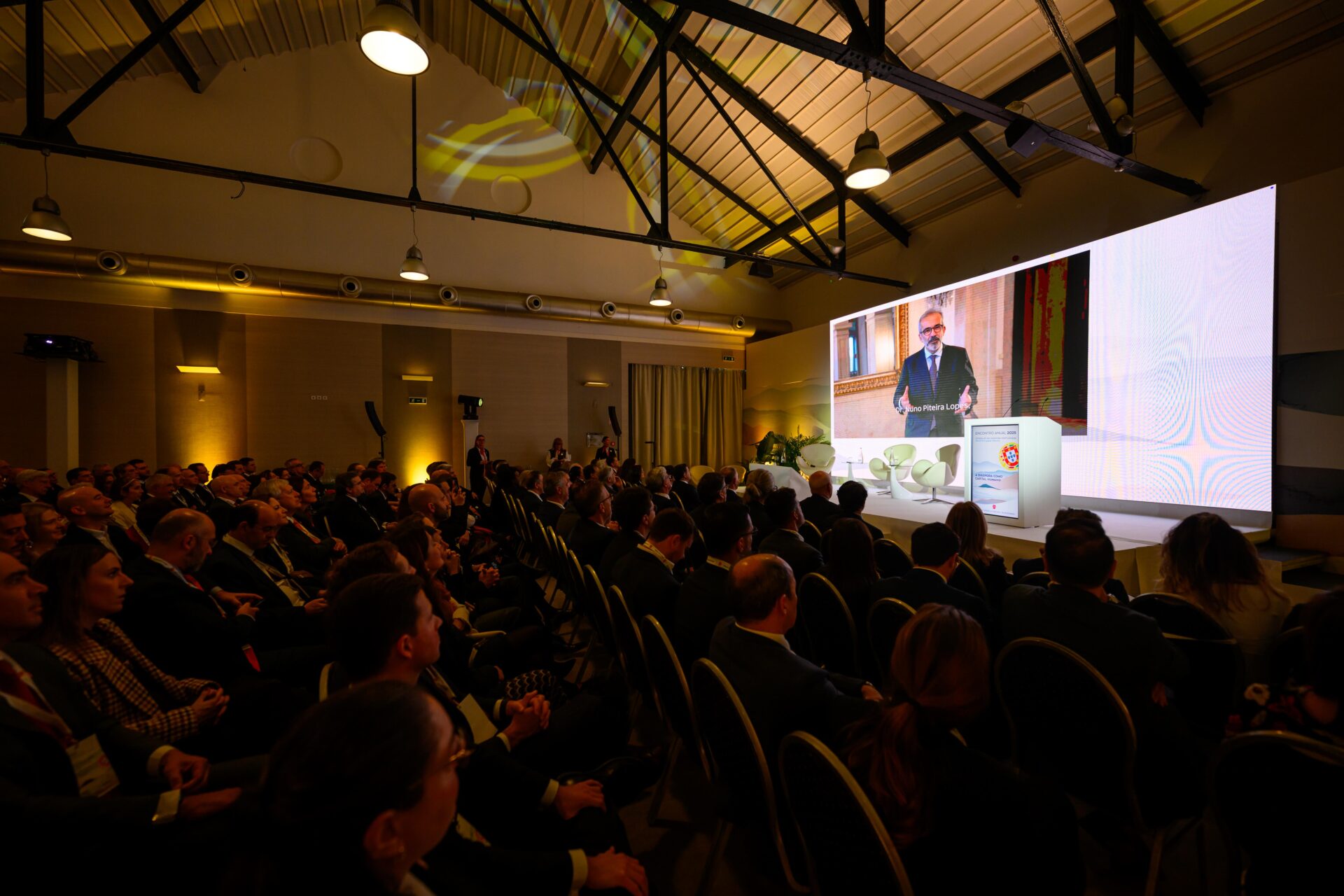
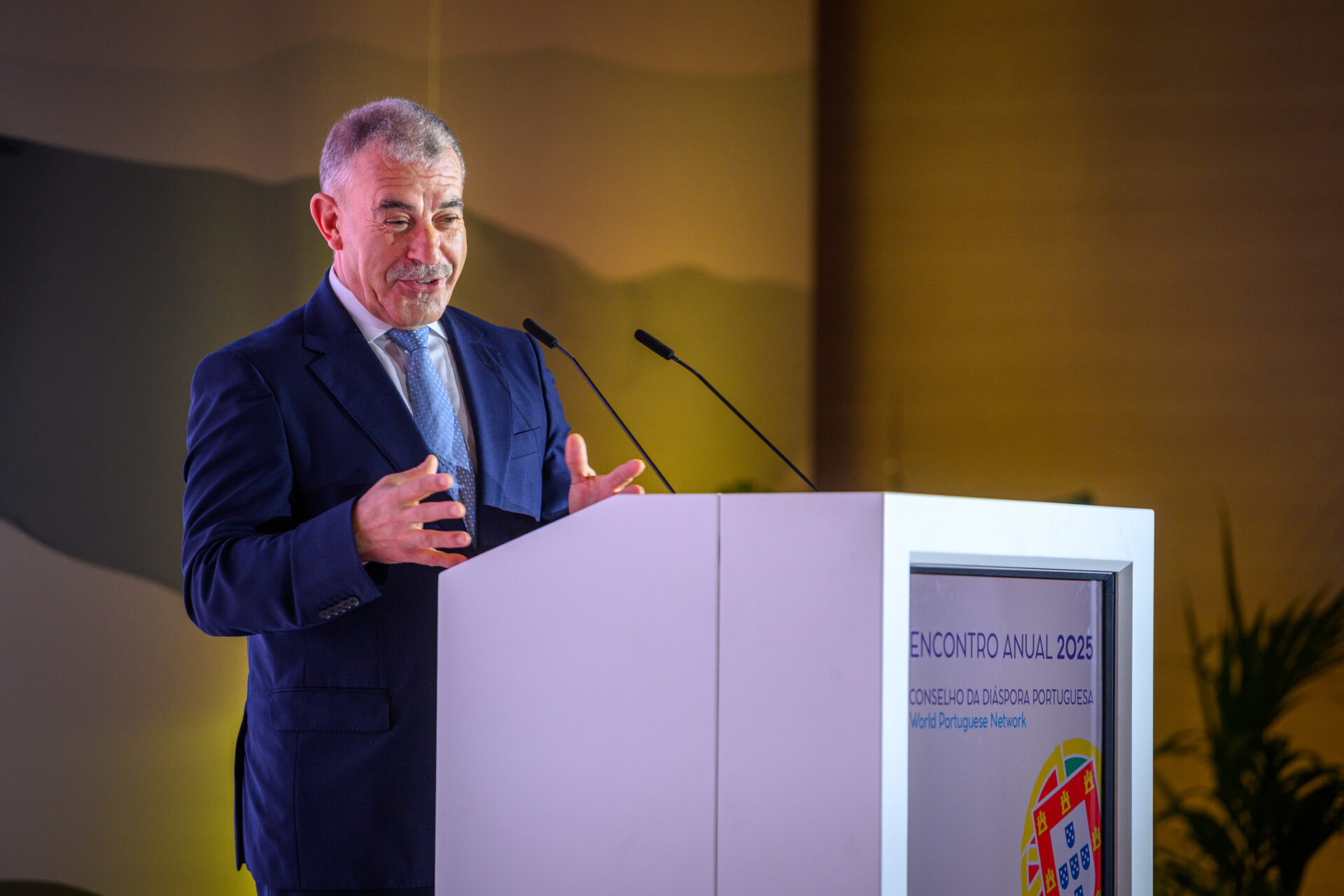
The contribution of the diaspora to Portugal’s international projection was also emphasised by several institutional figures present. The Minister of State and Foreign Affairs, Paulo Rangel, reaffirmed that the Portuguese diaspora is a priority for the Government, highlighting the impact of the councillors’ work in promoting Portugal abroad. The Secretary of State for Portuguese Communities, Emídio Sousa, underlined the remarkable capacity of Portuguese communities to integrate and adapt culturally in foreign societies, while the Secretary of State for the Economy, João Rui Ferreira, described the diaspora as one of Portugal’s most important strategic assets. The Mayor of Cascais, Nuno Piteira Lopes, also highlighted the role of Portuguese communities abroad in elevating the country’s name beyond its borders.
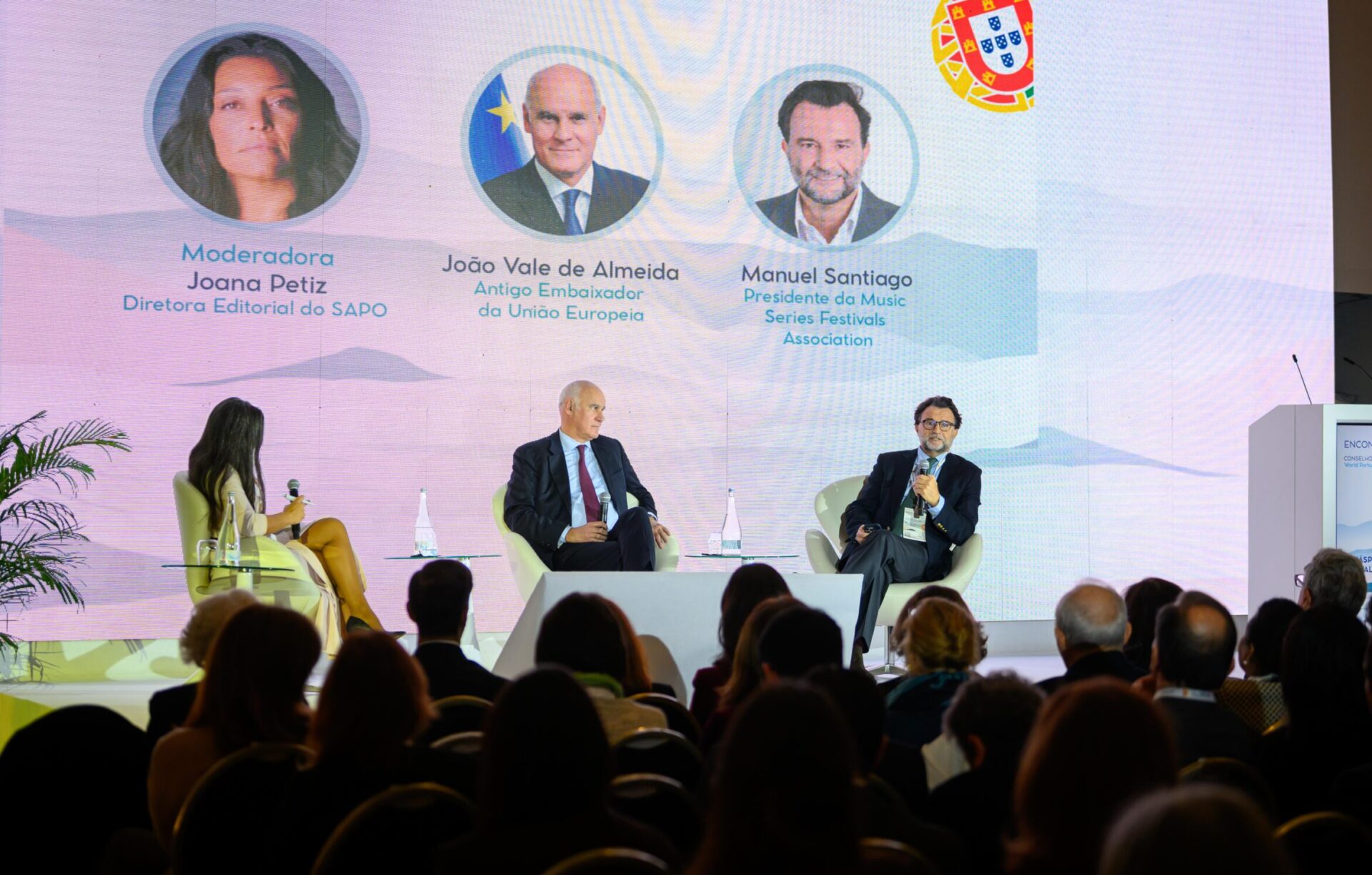
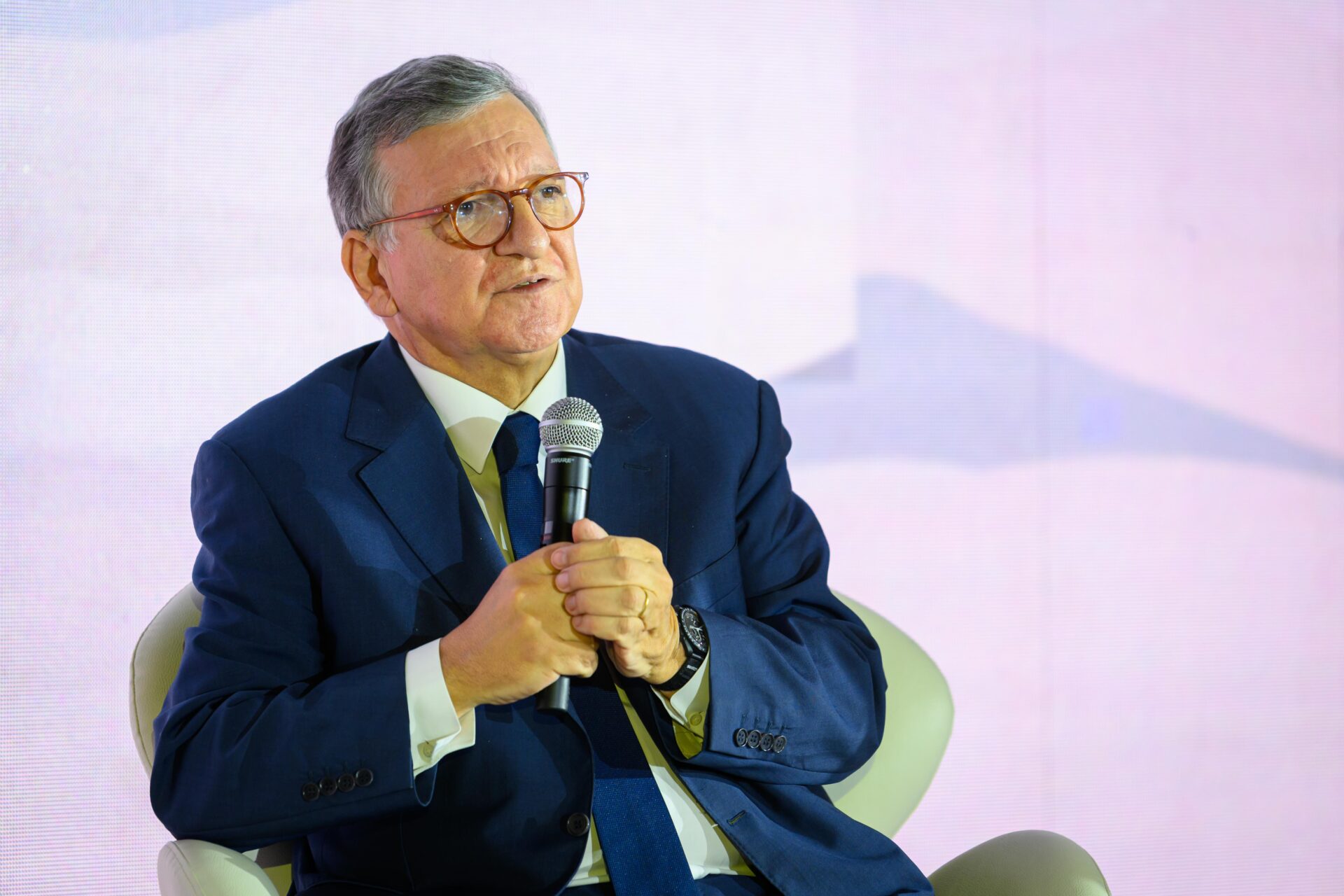
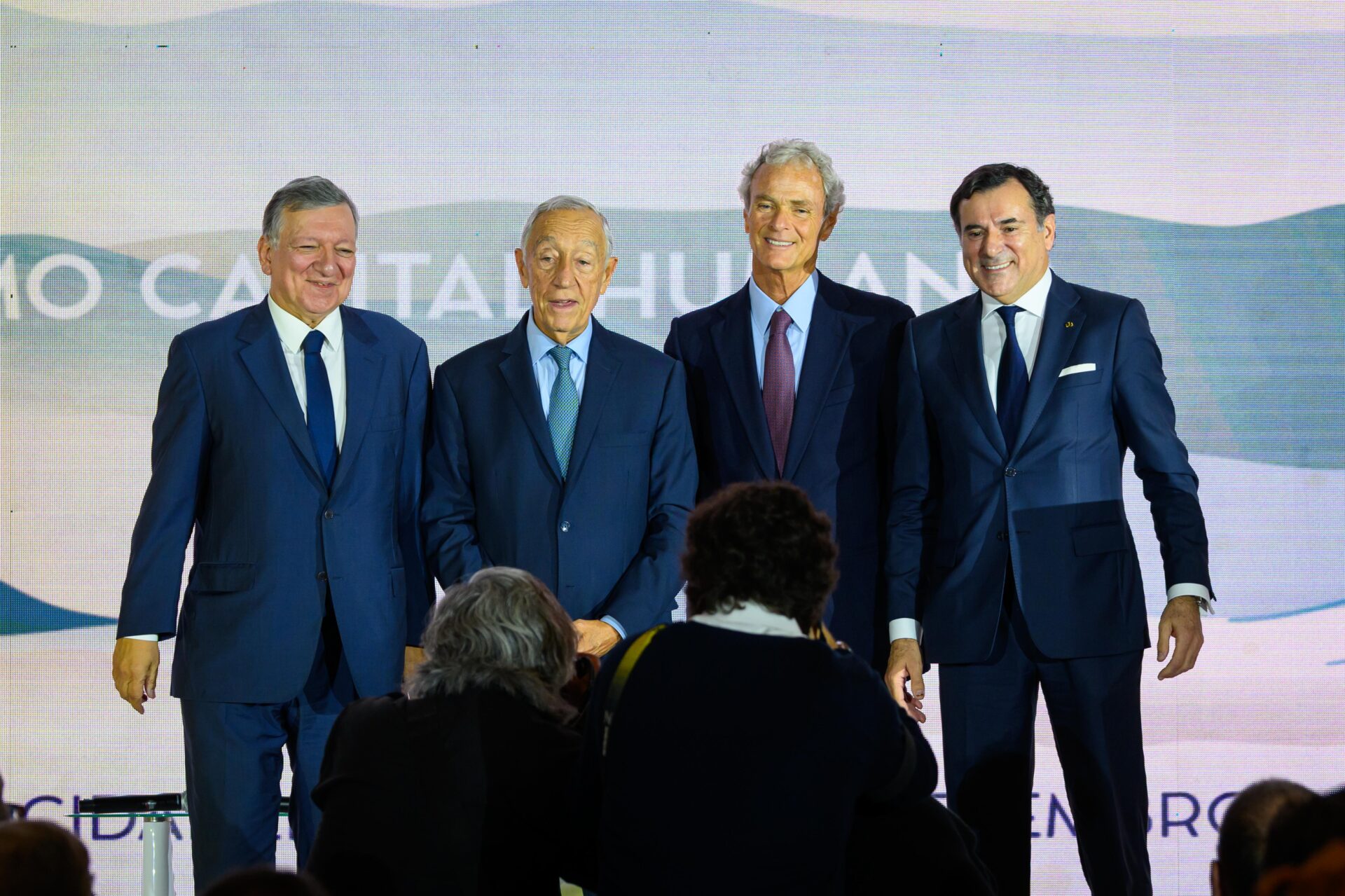
The programme also included the debate “Portuguese Talent and Leadership”, moderated by journalist Joana Petiz, featuring João Vale de Almeida and Manuel Santiago, who discussed the international projection of Portuguese talent and the importance of strengthening the visibility of national excellence. In a conversation moderated by Catarina Carvalho, José Manuel Durão Barroso reflected on Portugal’s position in the European and international context, advocating for a confident and self-assured approach.
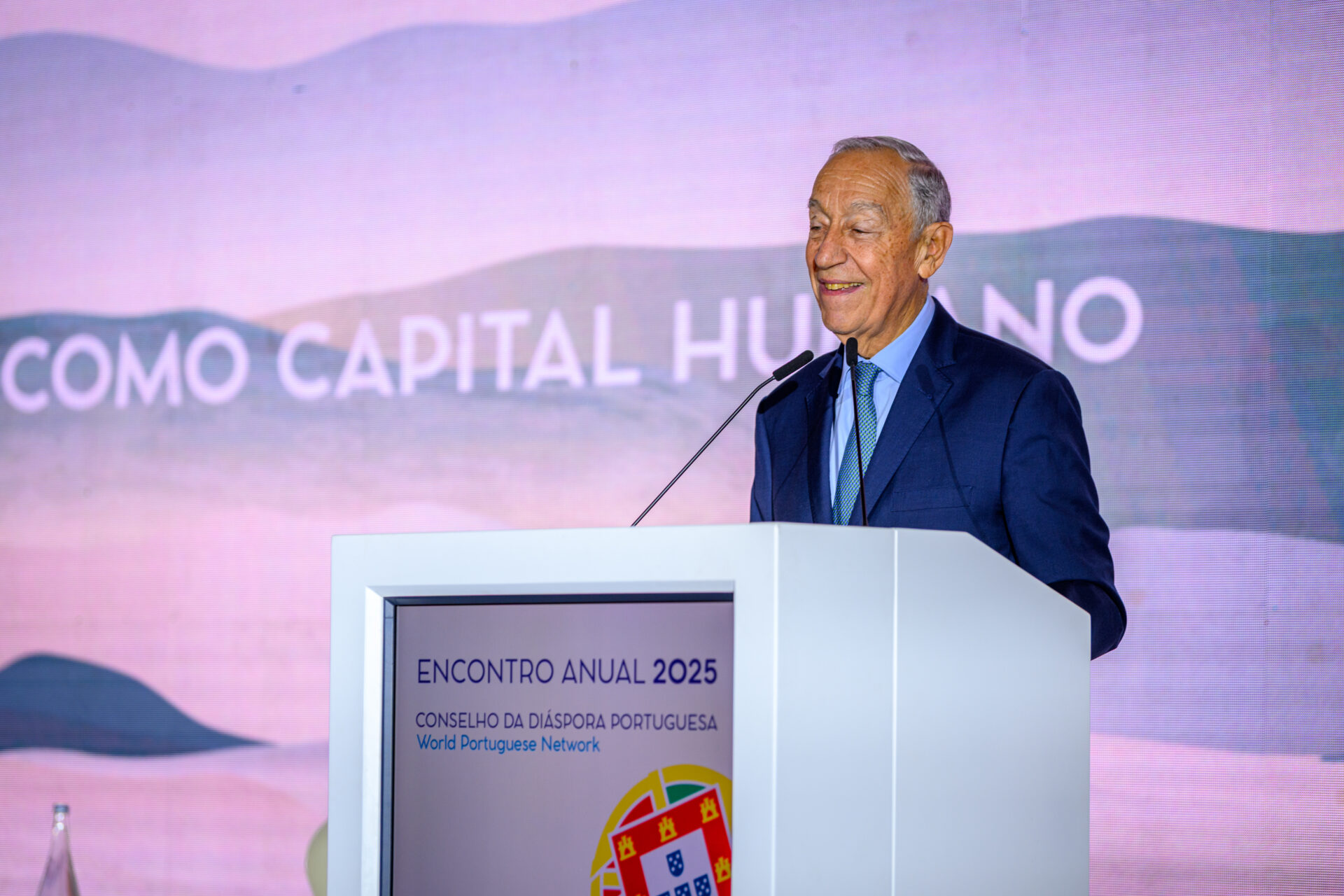
The meeting concluded with an address by the President of the Republic, Marcelo Rebelo de Sousa, in his final speech as Honorary President of the Portuguese Diaspora Council. He encouraged councillors to maintain an active, creative and nonconformist attitude in service of the country: “Continue to be insubmissive and rebellious — that is fundamental — and never stop dreaming.” He concluded by citing Portuguese culture as a driver of the future: “Because, as a great Portuguese poet once said, it is through dreams that we move forward.”
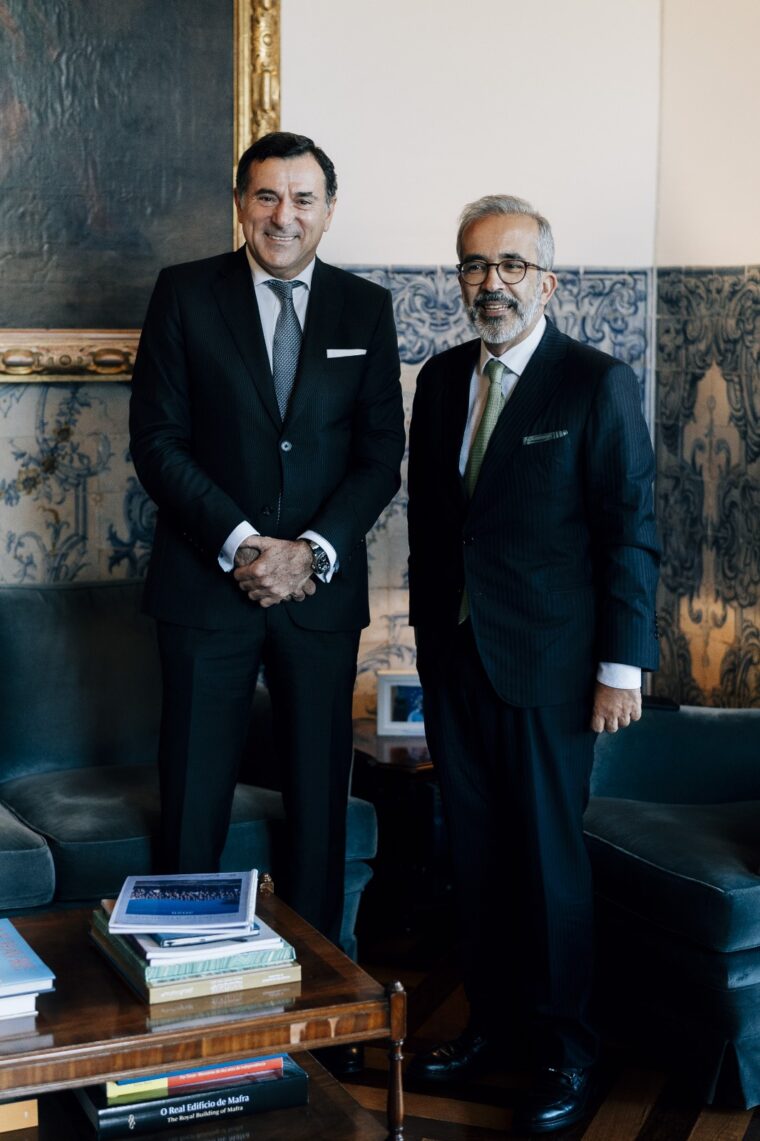
On 6 November, the President of the Board of the Portuguese Diaspora Council, Eng. António Calçada de Sá, met with the Minister of State and Foreign Affairs and Honorary Vice-President of the Council, Dr. Paulo Rangel. The two-hour meeting focused on aligning priorities and strengthening cooperation between the Portuguese diplomatic corps and the Portuguese Diaspora Council. During the discussions, the importance of closer institutional ties and the active role of...
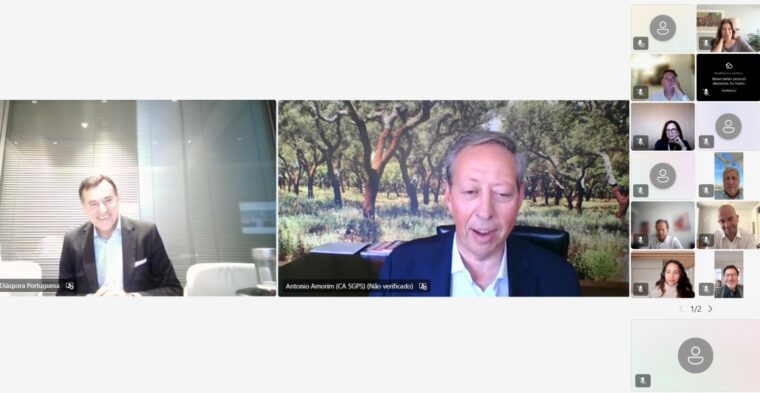
On October 17, the Portuguese Diaspora Council held another Diaspora Conversation, featuring Dr. António Rios Amorim, President and CEO of Corticeira Amorim. Moderated by Eng. António Calçada de Sá, President of the Council’s Board and Vice President of Fundación Repsol, the conversation was an inspiring moment of sharing, leadership, and global vision, centred on the story of a company that has become a symbol of Portugal’s capacity to innovate and...
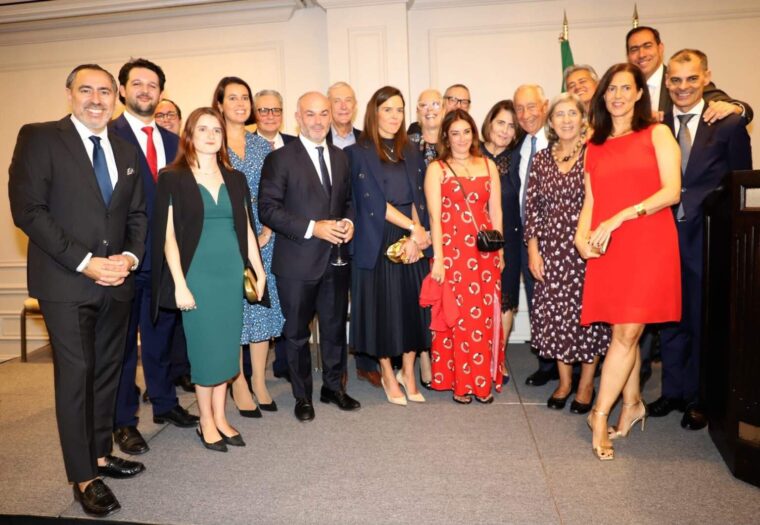
On September 21, members of the CDP’s U.S. Regional Hub attended a reception for the President of Portugal, highlighting the country’s role on the international stage and fostering networking among the Portuguese community and UN representatives.