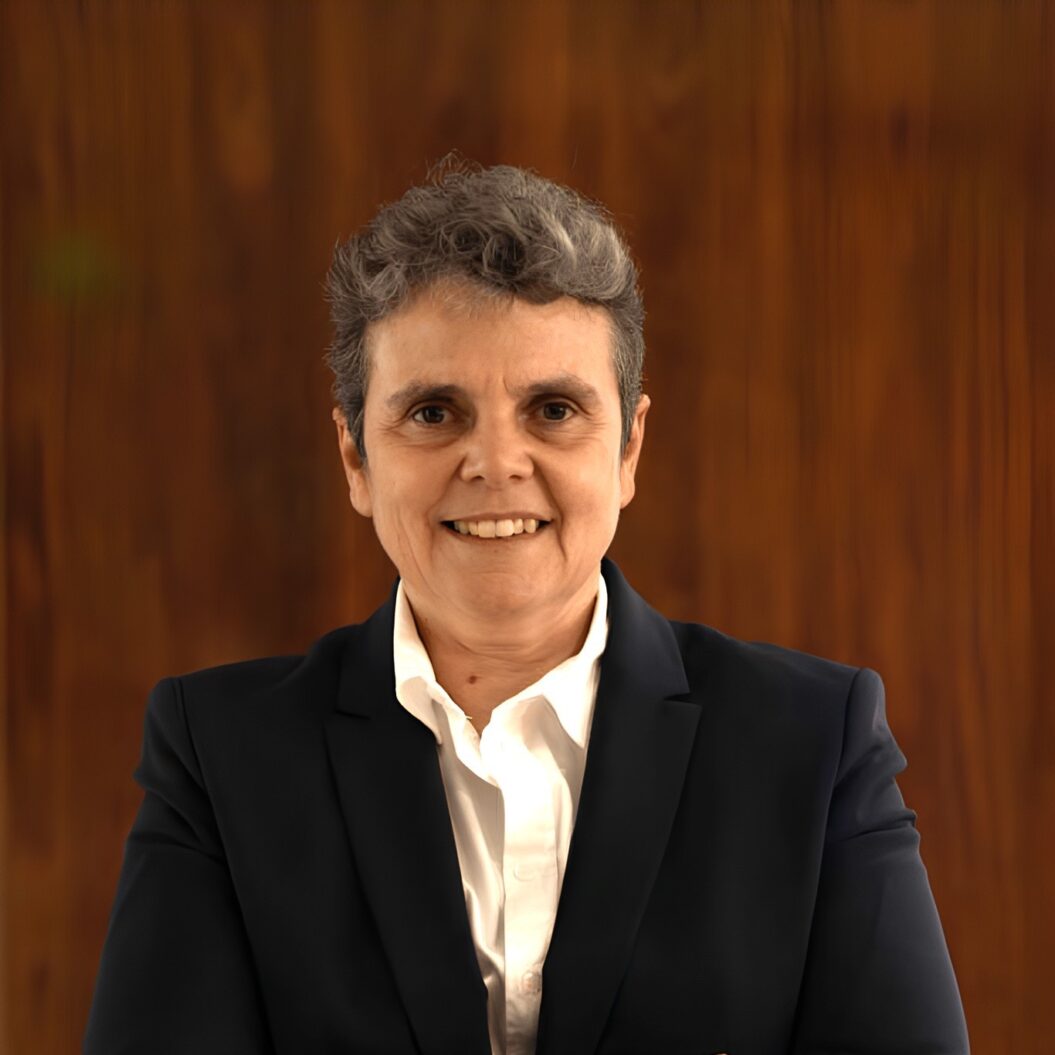
As part of the partnership between the Portuguese Diaspora Council and Jornal de Negócios, Manuela Pardal, Board Member for Infrastructure, Supply Chain and IT at TAAG – Angola Airlines, and Member of the Portuguese Diaspora Council in Angola, shares an international career shaped by a commitment to new challenges and the ability to adapt to demanding environments outside Portugal. In the interview, she highlights the role of accumulated experience and the willingness to step out of the comfort zone as key drivers of professional growth, as well as the importance of active listening and understanding the local context. She underlines the advantages of the cultural and linguistic affinity between Portugal and Angola, without overlooking the challenges inherent to different operational realities. She admires the angolan energy, resilience, and human potential, advocating for cooperation based on sustainable partnerships, mutual trust, and long-term value creation between the two countries.
1 – What led you to leave Portugal?
I left Portugal in 2011, motivated by a professional challenge presented by Refriango: to develop and consolidate the company’s logistics network in Angola. At the time, I already had around twenty years of experience in supply chain, gained across different business environments. The opportunity allowed me to apply that knowledge in a growing market while also testing myself in a different cultural and economic context. The decision meant stepping out of my comfort zone, but it was driven by the belief that professional growth is built through courage and openness to new horizons.
2 – What advantages or disadvantages have you experienced from being Portuguese?
Being Portuguese in Angola has been both an advantage and a challenge. On one hand, the shared language and historical ties between the two countries made integration easier and helped build trust with colleagues and local partners. There is a natural connection between Portuguese and Angolans, reflected in genuine empathy and mutual understanding in daily professional life. On the other hand, being a foreigner requires continuous learning: understanding cultural differences, adjusting expectations, and adopting an attitude of respect and active listening. Rather than applying imported models, I learned that success comes from understanding the local context and building solutions collaboratively, adapted to Angola’s reality.
3 – What obstacles did you have to overcome and how did you do it?
The main challenges I faced were related to the structural and operational differences of the Angolan market, particularly in logistics and distribution. When I arrived, the system had limited reach, which restricted delivery coverage and frequency. A key focus was strengthening the route to market by redesigning the distribution model, reducing average delivery size and increasing frequency. This required planning, investment in training, and above all, a well-aligned and resilient team. It was a journey of overcoming challenges and a highly enriching human and professional experience.
4 – What do you admire most about the country you live in?
What fascinates me most about Angola is the energy and vitality of its people. There is truly admirable resilience and a remarkable ability to reinvent and move forward despite adversity. This human strength is visible in many contexts: in work teams, among local entrepreneurs, and in the way people approach each day. Luanda, in particular, is an intense and dynamic city where challenges become daily opportunities. Angola has enormous potential, both economically and in human terms, and that energy inspires those who are here to contribute and grow.
5 – What do you admire most about your company/organization?
I admire TAAG’s ability to reinvent itself and tackle complex challenges with professionalism and strong team spirit. The opening of the new Dr. António Agostinho Neto International Airport was a remarkable example: the airport transition was carried out gradually, safely, and without impact on passengers, becoming a success case of the ORAT (Operational Readiness and Airport Transfer) project. This achievement reflects the technical rigor and excellent coordination of the teams. TAAG continues to modernize its fleet, strengthen strategic routes, and invest in training, combining tradition with a forward-looking vision.
6 – What recommendations would you give to Portugal and its business leaders and managers?
I would recommend that Portuguese business leaders and managers look at markets like Angola not just as export destinations, but as spaces for learning and cooperation. Angola is a challenging market, but full of opportunities, where adaptability and pragmatism are essential. Working here requires rethinking models, finding creative solutions, and valuing local knowledge. The Portuguese presence can be truly distinctive if built on genuine, long-term partnerships based on trust and mutual respect. More than immediate gains, it is essential to invest in sustainable projects that create real value for both sides.
7 – In which sectors can Portuguese companies find clients in the country where you live?
The construction and public works sector continues to offer relevant opportunities, particularly in urban rehabilitation, energy, and sanitation. In logistics and transport, there is growing demand for technological solutions, training, and consulting—areas where Portugal has strong expertise. Tourism and hospitality in Angola also show significant growth potential, opening investment opportunities and benefiting from cultural affinity and Portuguese know-how. Finally, training and skills development are key areas for collaboration, with shared language and trust positioning Portugal as a privileged partner in developing Angolan talent.
8 – In which sectors of Portugal could companies from Angola be interested in investing?
Angolan companies have shown increasing interest in investing in Portugal, particularly in tourism, real estate, energy, agribusiness, and transport. Portugal offers stability, legal certainty, and a predictable business environment, making it attractive for investment diversification. It is also a market with strong ties to Angola, providing access to experience, technology, and new markets. The future will depend on partnerships that combine capital and expertise, promoting sustainable, long-term projects.
9 – What competitive advantage of Angola could be replicated in Portugal?
In Angola, one of the most striking features is the flexibility in dealing with unpredictability. There is a remarkable ability to make quick decisions, find solutions, and make things happen. This agility and practical mindset contrast with Portugal’s tendency toward detailed planning and the pursuit of perfect solutions. In Portugal, trying to control every variable can sometimes delay execution. The lesson Angola offers is that flexibility does not oppose planning—it complements it. The ability to adapt and act confidently, even without complete certainty, is essential in a changing environment.
10 – Do you plan to return to Portugal? Why?
Yes, I do plan to return to Portugal, although without a defined timeline. At the moment, my projects in Angola remain motivating and provide a strong sense of fulfillment. I feel there is still much to build and consolidate. The return will happen naturally, when I feel the cycle is complete. It will be a transition shaped by learning and the desire to apply in Portugal everything I have experienced. More than a departure, it will be a continuation—strengthening the bridges between the two countries.